






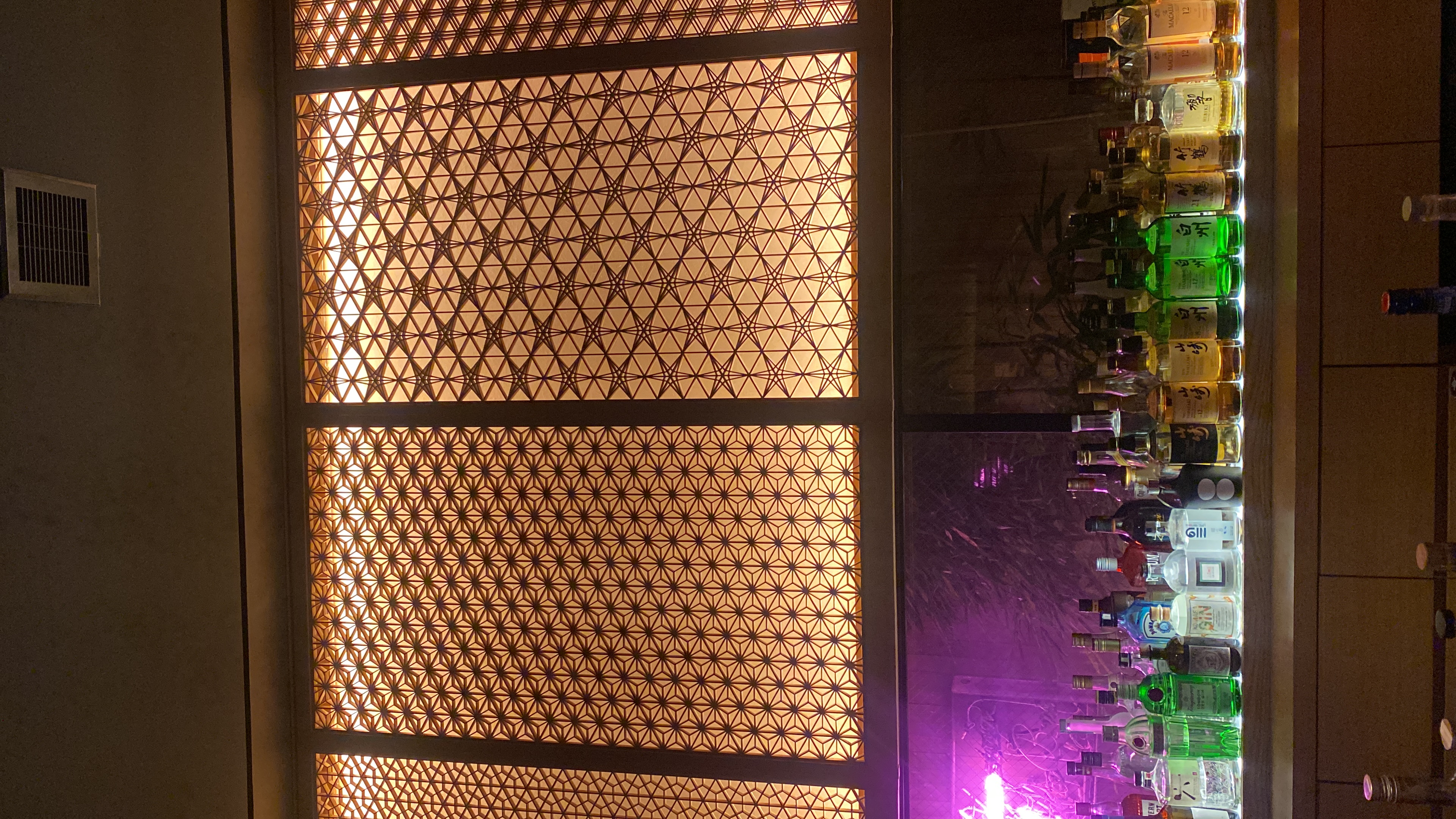
About a year ago. I took a sabbatical. It was kind of like my first phone off holiday in near a decade. Or at least mind off. I had sold my company and that was one of my conditions for my new contract. I want time off.
It’s been a year since.
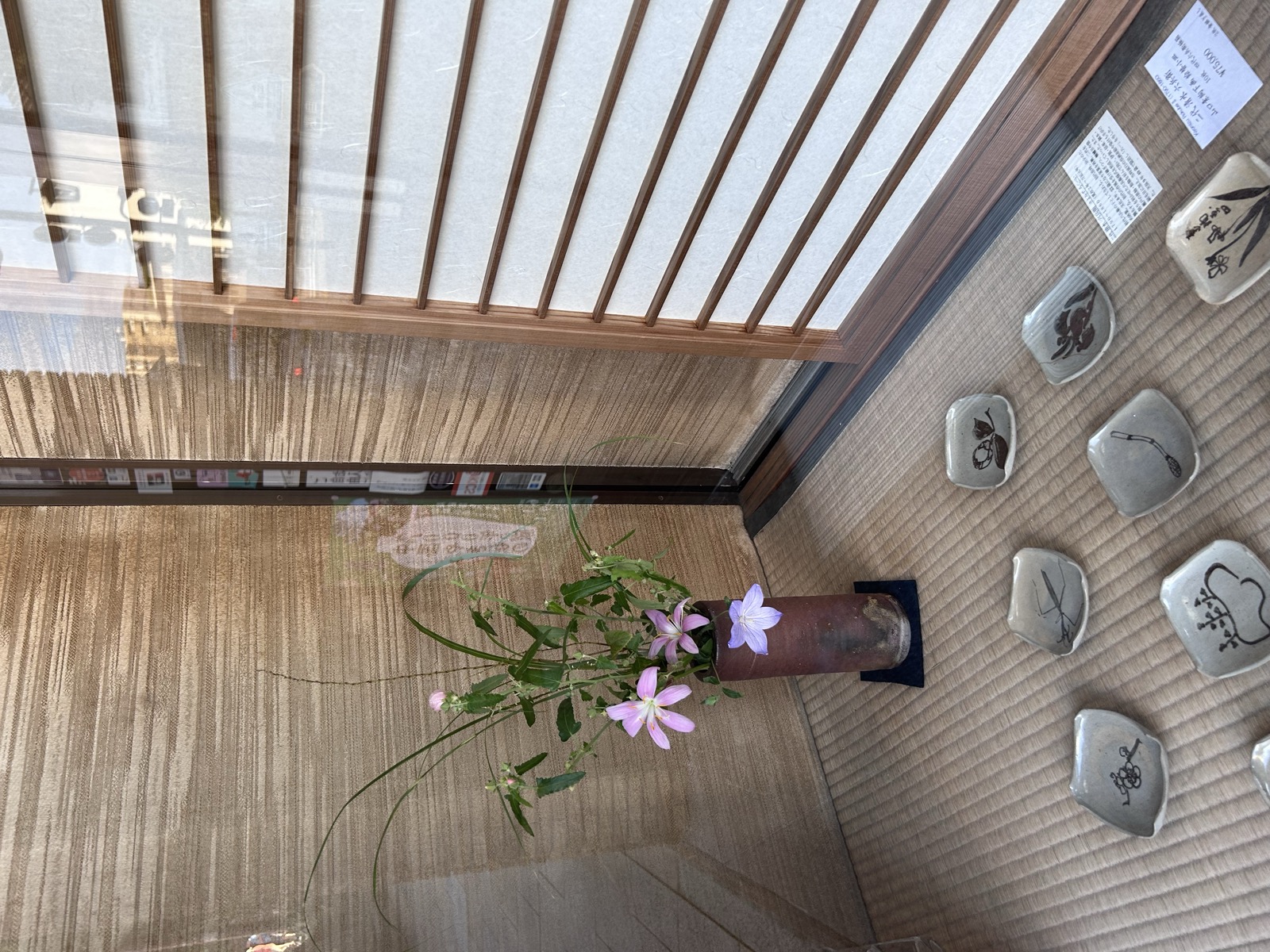
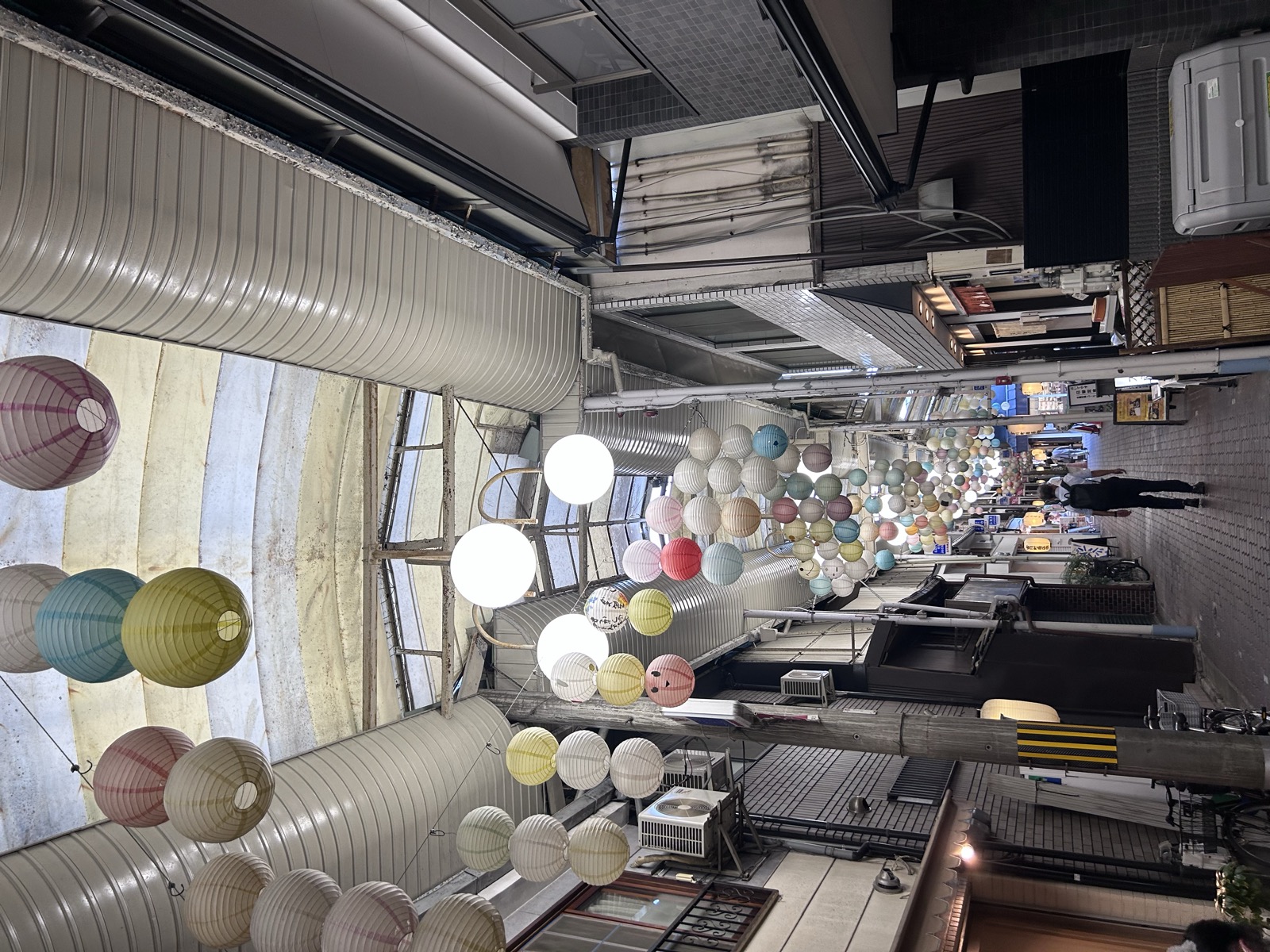
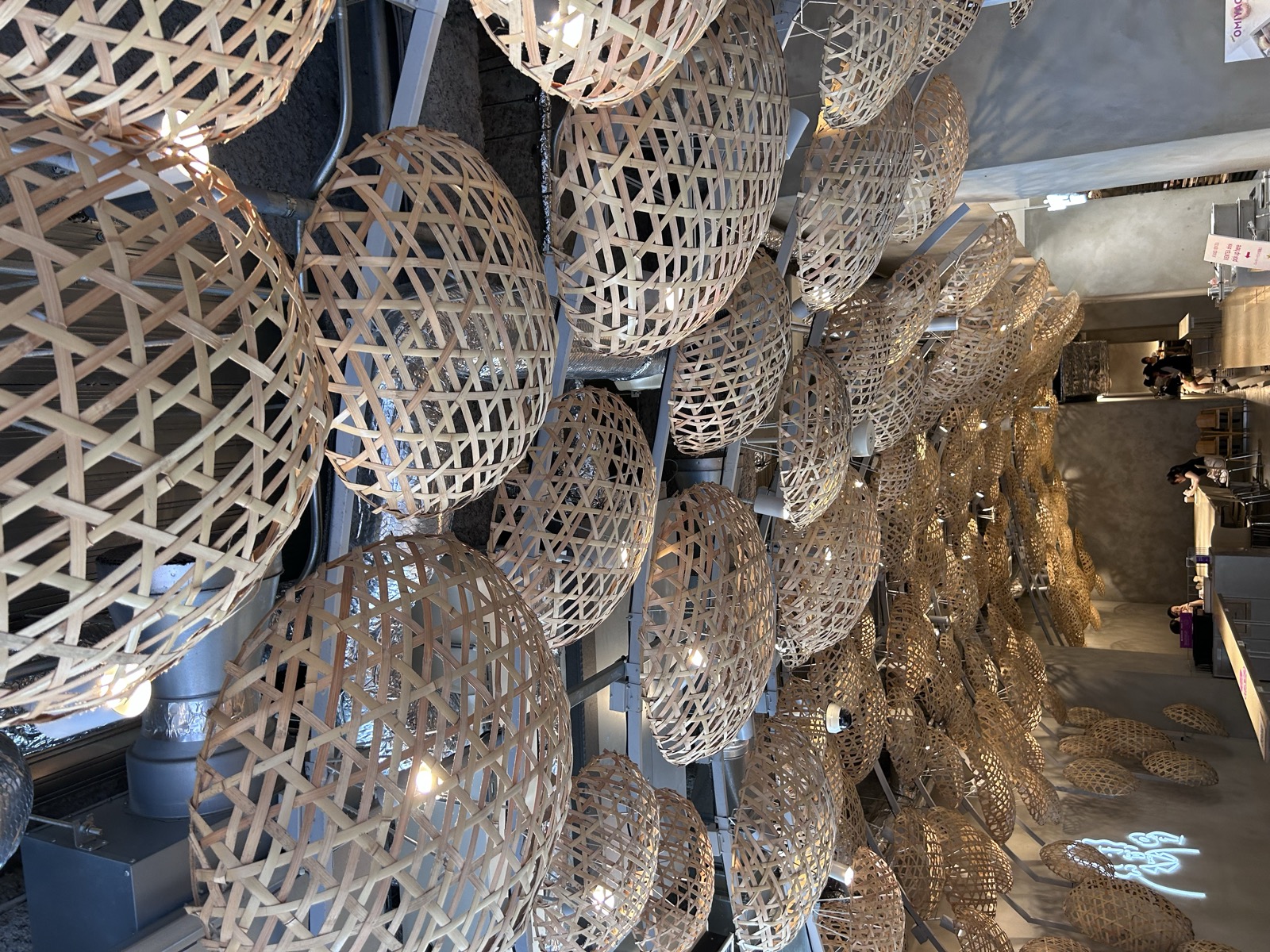
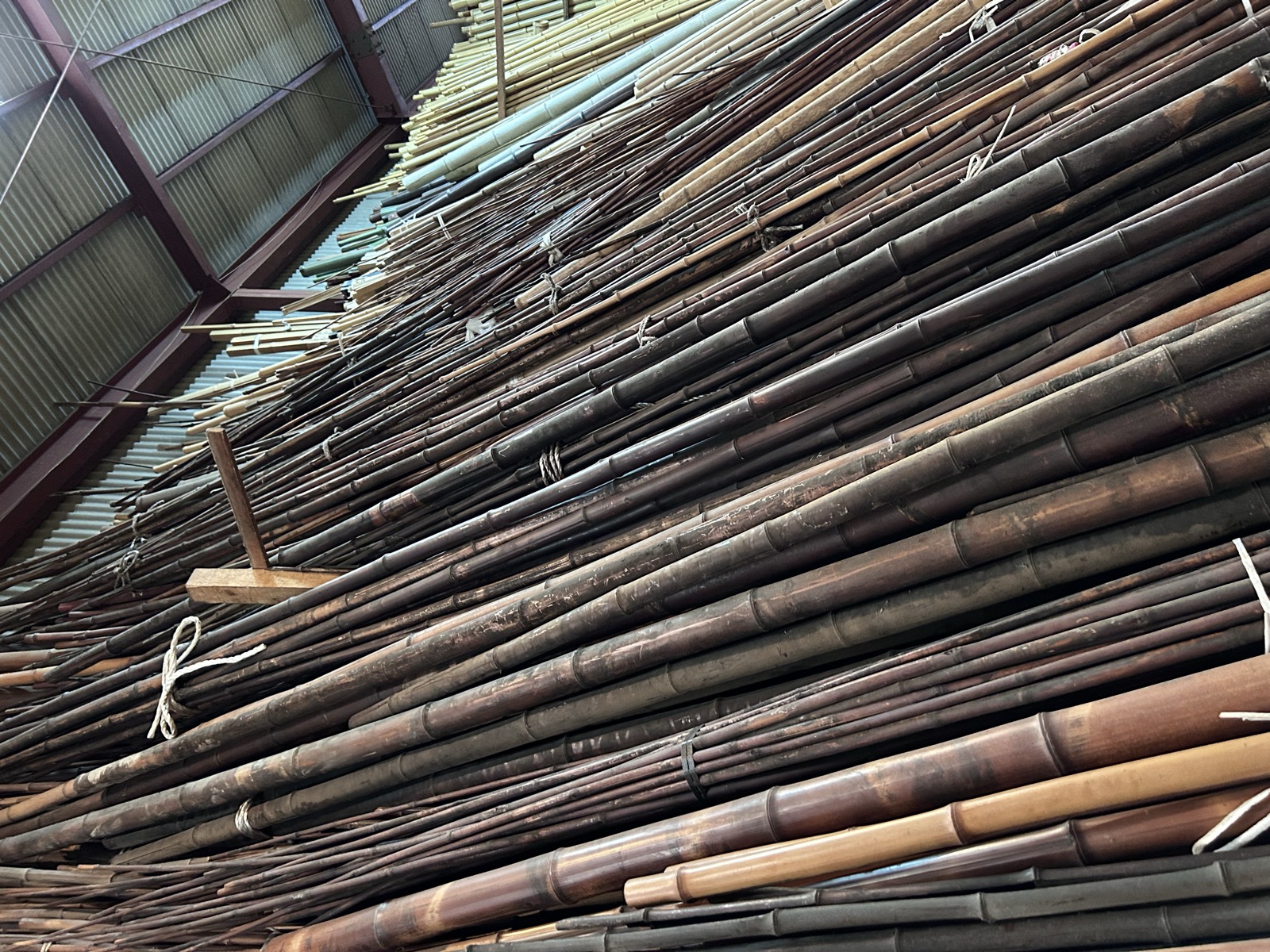
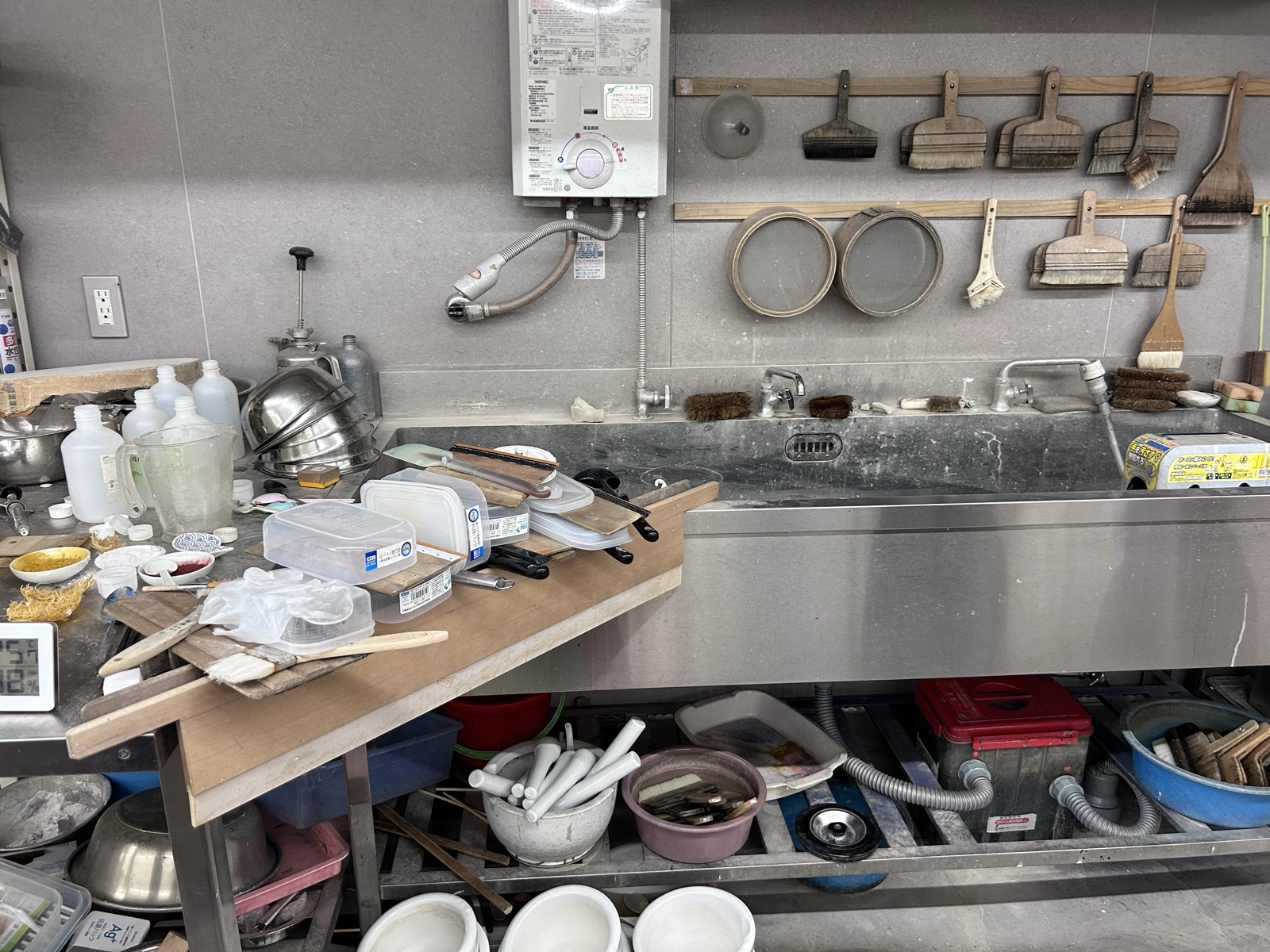
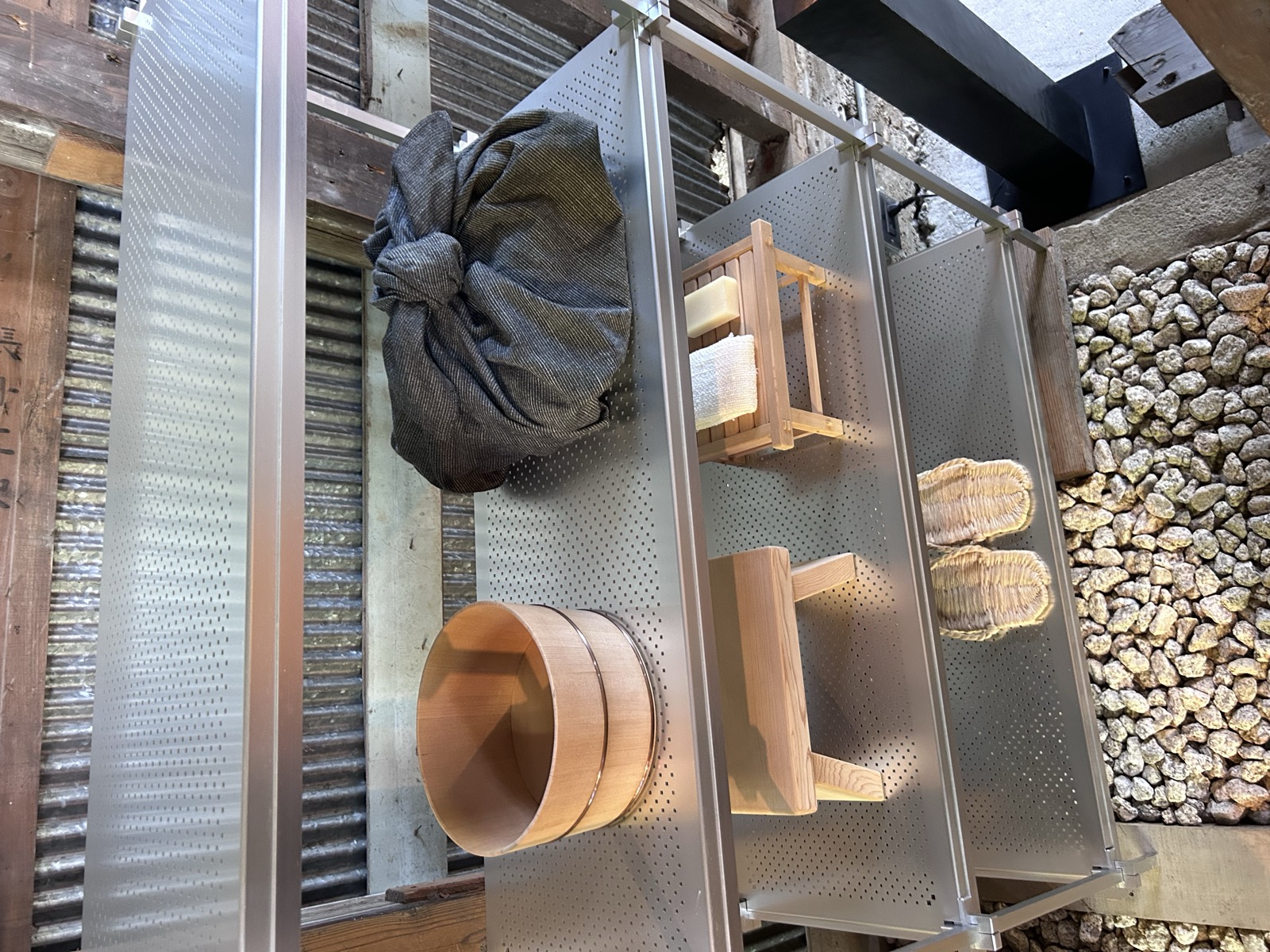
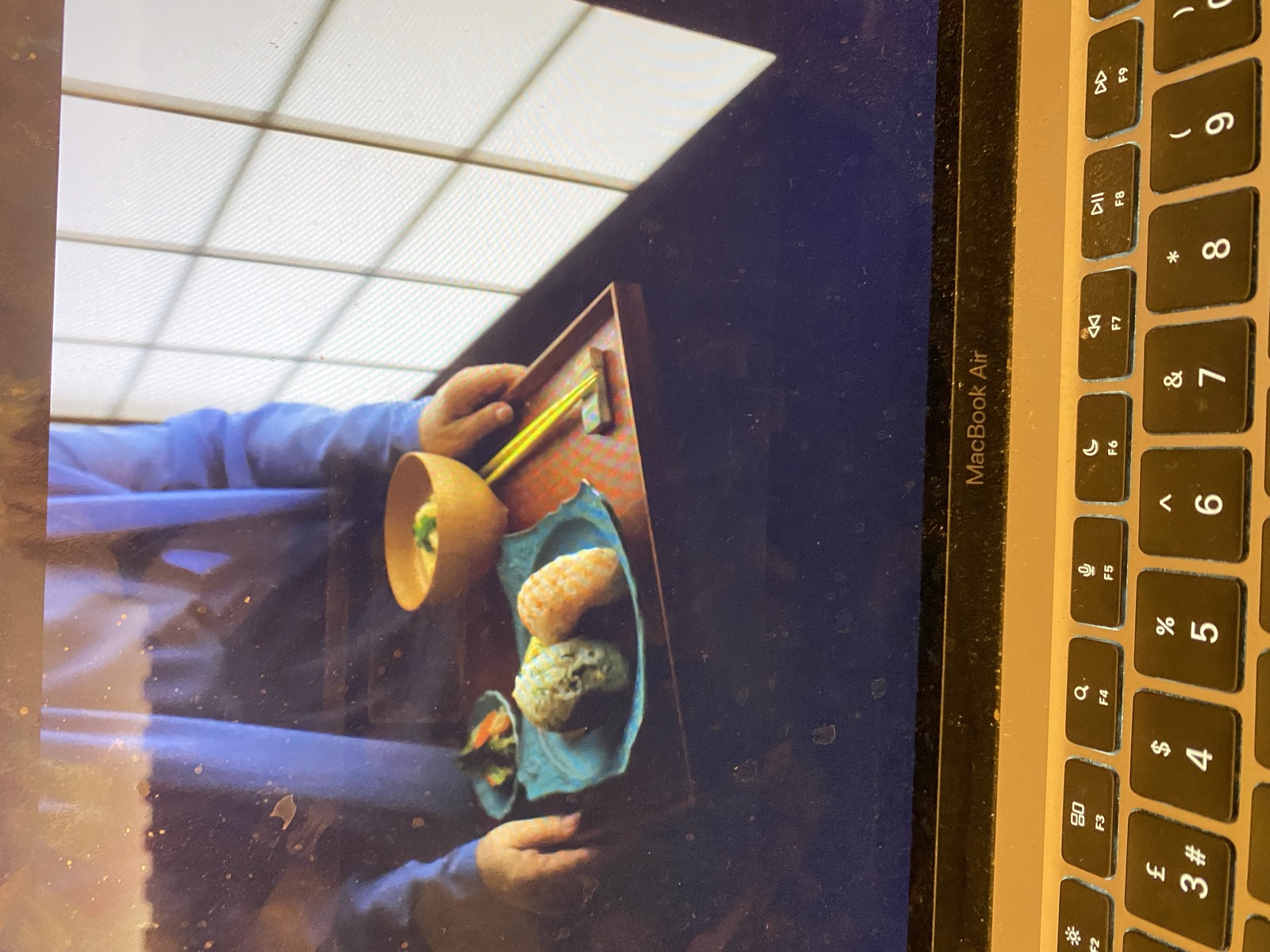
My body called me to japan. For 6 weeks…completely alone. It was a godsend honestly. I sat with myself a lot. I was in a timezone that made it difficult to be whatsapp assaulted. And i was endlessly thrilled. From temples to museums to listening bars and solo dinners…thrilled. Travel can rewire the brain, it makes you rethink associations and common patterns. Which is a sort of release for an overactive mind. And then you get to rebuild them in your own context - more release. True to form, I unwittingly started a personal project of trying to understand a version of design infrastructure in Japan with the hope that it would give some clues as to what we need to do on the continent and in a weird way, what I would do with my life.
The former was fun. And is an ongoing exploration. I think I felt like writing more to try and consolidate - and put it somewhere before it leaves my head. The extent to which it is giving me life answers is meh but the lessons feel instructive. I think i’ll probably come back to this in a few years and see it as the start of something.
I think what was drawing me to Japan was that it is a very distinct culture that was able to penetrate global consciousness and pull commerce along. It is not necessarily alone in this…so maybe it was also that it was non-western, maybe i just like Muji a lot. Anyway, I wanted to get a feel for the history of it, the sequence of it. And a feel for the feel of it. I read a bunch of books. I walked around a lot. I met people.
The key idea that left a large impression on me was this idea of story led systems. Coined just now, it is the idea that relevant stories beget the best systems and not the other way around. A story is the thread that pulls many stakeholders, ecosystems in a consistent direction i.e. it is the engine of the system. Systems without story is kind of just stuff.
We are, as Africans, too removed from a story. Not for much fault of our own. Forget that we are made up of many very different stories. I think, more importantly, we are often a cog in somebody else’s story projected as a story for us. There is a deliberateness that I observed that i think we can take heed from. At least in theory. The practice of deliberate system level cohesion on the continent and within our countries is beyond my personal scope. I’m just a girl that likes Muji.
So what does a story-led system look like?
We have something of value (the story). This thing can be raw materials. Sometimes original goods. Sometimes it’s services. Sometimes it’s cheaper knock off versions of original goods. Sometimes it’s actual stories (see bollywood, nollywood) → It is valuable to the “consuming” outside world because…→ please see it, feel it, get it → please buy it → make more of it → make money → spend it at home
At any point in this cycle, we can go back and start again. Sometimes what we think is valuable is not valuable. Sometimes it’s just not big enough, not enough people get it. Sometimes, it’s too hard to repeat. Sometimes it doesn’t trickle down and so on.
There’s not that much in our current ecosystems on the continent that suggest we can beat out our emerging world competition in any short term when it comes to mass (products or services). Especially beyond the perhaps cursed raw materials. So this idea of originality has been sticking. The question i ask is what might we believably contribute to global consciousness? The creative industry excites me for this reason. It feels like somewhere within it is a lead-in I can buy into. This really does not mean that i think Amapiano will save Africa. It is more about share of mind and how that leads to share of wallet. Real industry needs to be the chassis to the engine of story.
The idea of originality and what we have to offer. Our story.
“In few twentieth century cultures do past and present seem so intricately woven, or does the work of the most gifted designers (in the most diverse mediums and styles) bring these subtle connections so vividly to the surface” Japanese Design p7
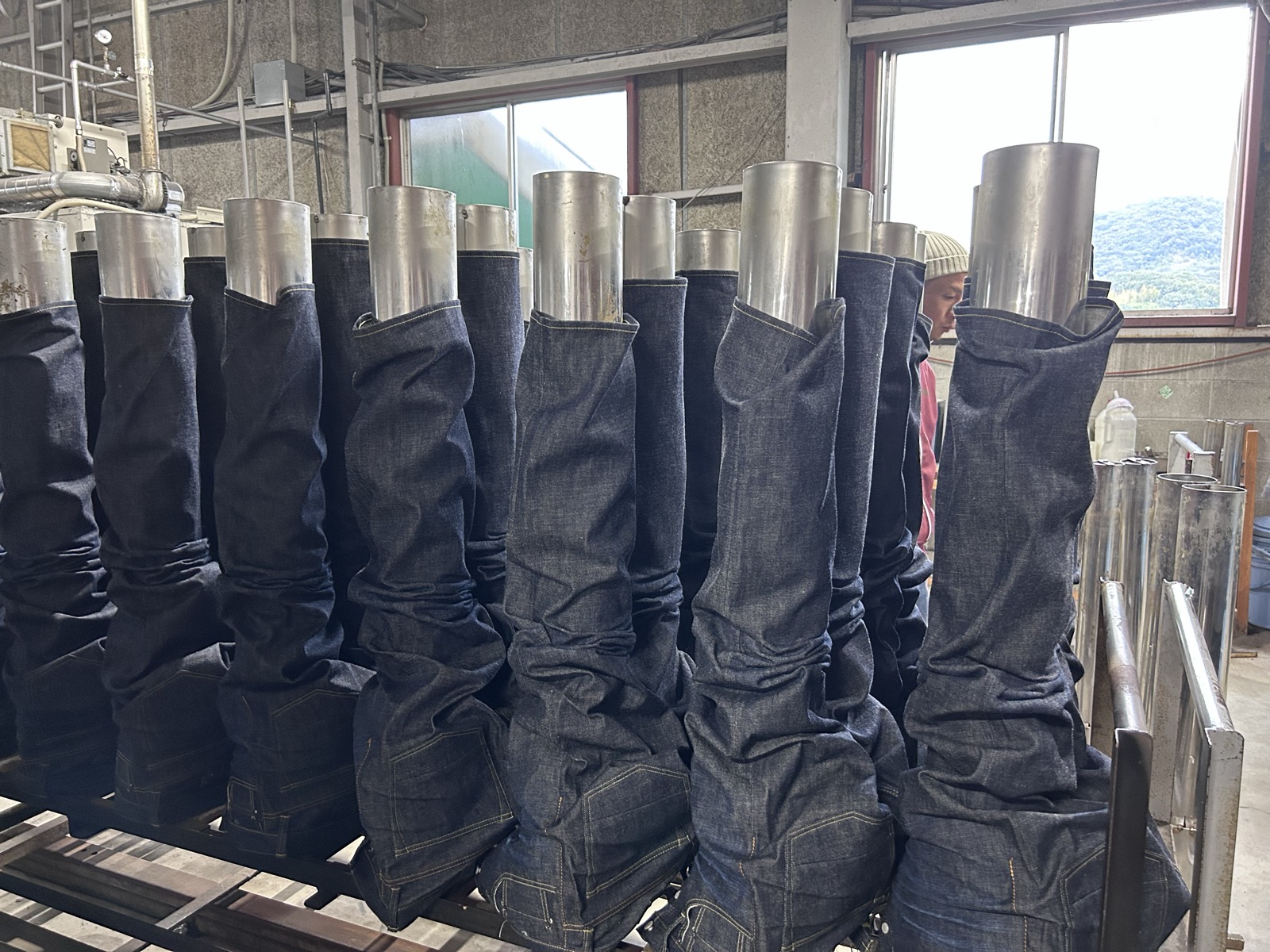
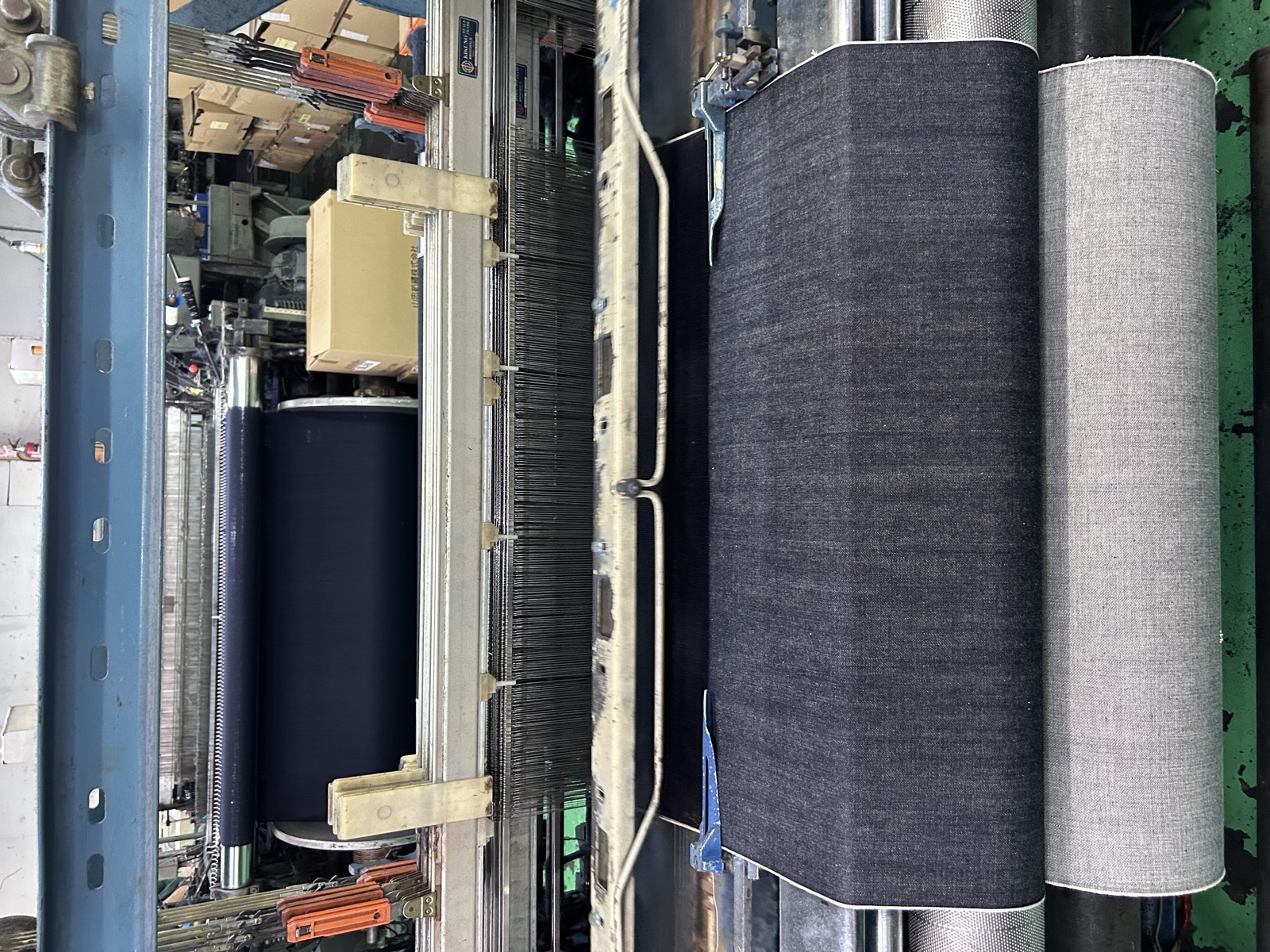
Japan maintains a tight sense of story. Everything is approached through relationship to craft. This through-line is not just appropriate to the lived culture, it is also useful in its dynamism. It has both great heritage value and great innovation value concurrently. When you look at things from a story of craft there really isn’t that much daylight between sushi, cars and anime.
“Each piece of ware is produced entirely by one man and is to him a sort of child that he loves…There is much pride in Japan manifested by the maker in completing a little cup…” Designing Modern Japan p59
This storifying is a deliberate act. One early expression of this is Japan’s specific emphasis on luxury crafts on the world stage - it was deliberately chosen as a focus to prove that “Japan had history” while separating from the industrial competition with far more mechanised countries.
“creating an image of Japan as the fairytale of the handmade, untouched by Western industialisation” Designing Modern Japan p59
This is story and narrative and frankly, strategy.
At different moments, the Japan design story emphasises different values -advancing at times, regressing at times (depending who you’re asking) or just sat still. Kogei, Mingei, Modernism, Minimalism, No-brand etc represent some of the prevailing moods at the time. But the threads remain not far from each other and importantly the story at any given time is true, deliberate and explicit.
Heritage is an interesting one when we think about our stories from the continent. It is somewhat ever present which is dope. But at the same time it is kind of nowhere. It is very ill defined. We have an idealistic view of what it is with very little seriousness. It feels like it is so rich that we take it for granted. We lack institutions that can take that work off our hands. I guess there is a sort of beauty to that - not enough to be worth it imo. The same goes for our crafts. They exist mostly at the level of function and as that function dwindles so will the crafts associated to them. This is where it gets a bit scary…these things die at the level of today’s function. This is a global phenomenon but it is much more pronounced across our countries.
I believe this destroys innovation. There is no starting point or rather there are too many. Nothing is God.
In my observation, ritual remains. We are a ritualistic people for the most part. A social people. Rituals take on new formats and indeed innovation happens within them necessarily. As above, it is a very bottom up or natural thing but that works. I think that’s the key. Zoning in on our rituals gives us the underlying story that can pull heritage and craft work while retaining context. It tells us what is natural and unique to us. To some extent, it’s already a thing. Especially in places where we are not shy or embarassed or religioned out of our rituals. The Nigerian wedding is a primary example. In itself, it is an economy of story. It is food, fashion, dance, music, performance. It is unique and it is natural. And it sells - it sells to people wanting to emulate it (even sometimes without anyone getting married), it sells to tourists coming into the city, it even sells to people that just happen to be around.
What clues are there to take from this? What is the coherent story that sits underneath it? How do we pull from it to tell a story of us and our contribution to the world? Who is responsible for it?
“One hundred and fifty years later, foreign consumers still see unparalleled skill, attention to detail and devotion to craft in Japanese products, and Japanese manufacturers exploit this image in advertising taglines for “highly skilled Japanese engineering and craft”. But in the 1860’s and 70s, the challenge was to find products that seemed modern and sophisticated to foreign consumers, yet different enough to sell”
Understanding demand
The Japanese story here is important. The story appears to just work. It’s as if people just naturally gravitate towards it because it’s just good or interesting or fits where the world is. Those things are all true but it is also a concerted and long term effort to put the right things in front of the right people at the right times. It’s not enough to tell a story, it has to be heard and frankly it’s not enough to be heard, it has to be believed. Some themes that were particularly interesting to me were the importance of the exhibition, the power of exchange, educating your supply and following markets.
The importance of the exhibition
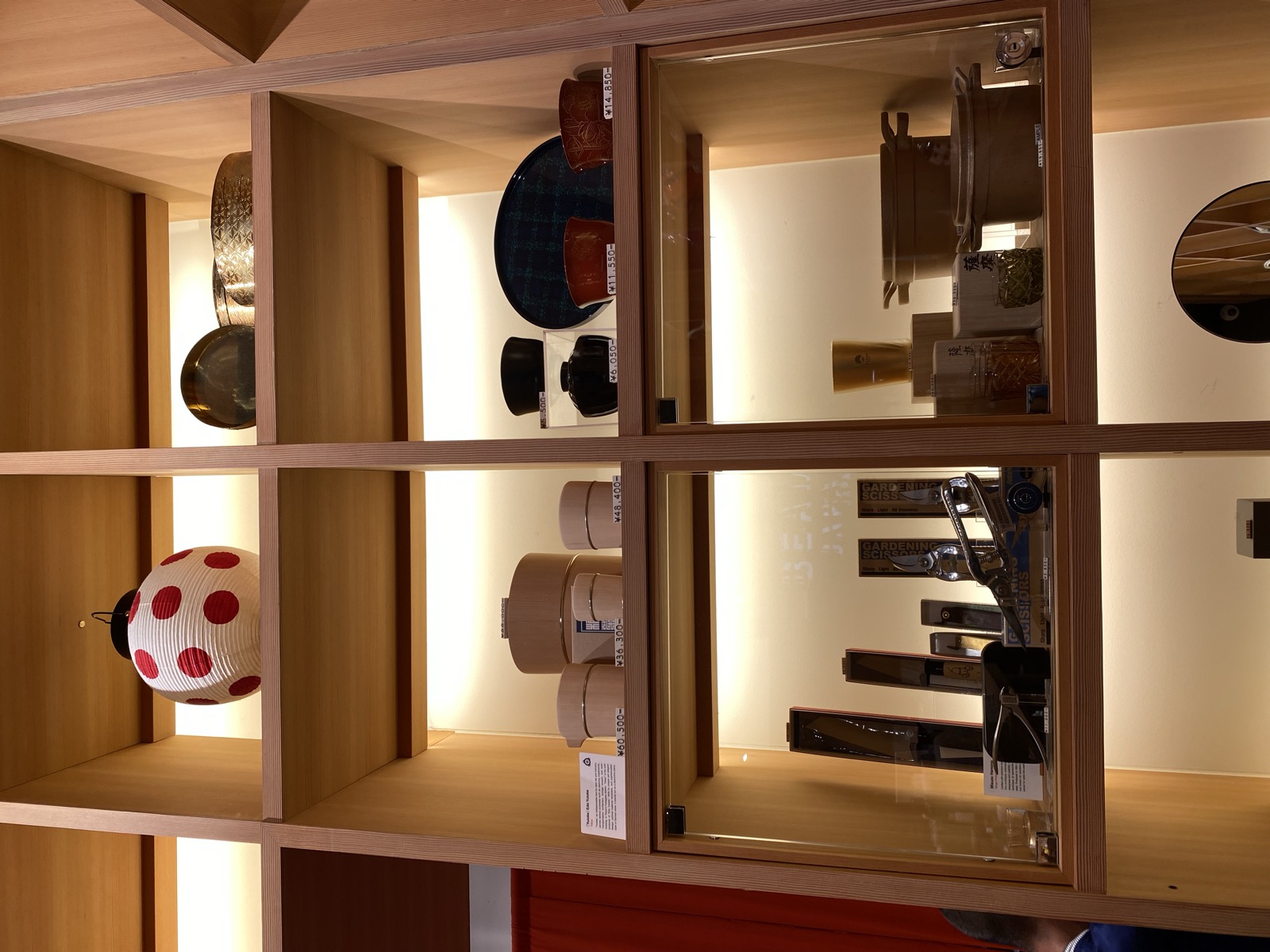
Showcasing is an important part of learning what is going on and building a buying audience. Japan participates extensively in world fairs, museum exhibitions, and retail concepts. It is more than the merchant showing their wares - there is extreme attention to merchandising. Dramatic exhibitions set the stage, drawing awe from onlookers and buyers alike, reinforcing the story of craft and innovation.
“Luxury crafts as an area which Japanese skill and technique could compete. They were also appealing in terms of visual novelty and being easily sellable to museum collections” Designing Modern Japan p61
“Japan’s cutting edge textiles should keep their distance from the fashion industry as it’s conveived in France and Italy…to acheive this, it’s important to show synthetic fibers in a format in which their properties can be easily seen and understood, not as an imitation of natural fibers but as a completely new thing” Kenya Hara 137 on his synthetic fiber exhibition
Exhibitions are not just to show. They also provide the opportunity to improve the positioning of products and industries.
The power of exchange
“Knowledge shall be sought throughout the world so as to strengthen the foundation of imperial rule” Japanese design p8. the Meiji government dispatched its first official delegation to the United states and Europe in November 1871
Exchange becomes a recurring mechanism. Both coming in and going out. There was a concerted effort to make sure that young people went to key institutions, that key design thinkers came to Japan and i think most importantly that emissaries were sent to pull best practices from regions that were instructive to the national mission.
Educating your supply
This is the key part of it for me. The constant and consistent effort to educate makers on what can sell and why is a key tenet of especially the development of export within the design and craft industries. Various institutes were tasked with disseminating this market intelligence to relevant small businesses and makers sometimes via publication, via exhibition and also via commissions. This practice went as granular as specific product drawings.
“The textiles, ceramics and porcelains that are important to our country have no merit when they do not have design drawings” Designing Modern Japan p86
Following markets
Markets are followed pragmatically, even when uncomfortable. Imagine being occupied and then selling tin toy versions of the artefacts of that devastation to your children and the children of your aggressors. The stories of tin toys like “Kosuge’s Jeep” or Tomiyamas B-29 bombers as an example are quite astounding especially considering that the tin industry went on to spur post war recovery for the nation.
A lot of the examples focus on the west but this pattern is very replicable - so long as the question is continually asked.
“The times are now rapidly moving towards the rise of Asia…we need compund eyes to re-evaluate our value in light of the rise and economic vitality of other Asian nations” 107 Kenya Hara
I personally don’t much see or hear the conversation of what markets want. Mostly, it is more about what confused funders want or founder/artist intuition or social media narrative.
It’s not enough to tell a story, it has to be heard and frankly it’s not enough to be heard, it has to be believed.
On Standards
There is no real consensus on what good is. And why. The efforts to exhibit and exchange fall into such an inconsistent spectrum of stuff. We are already at the risk of so many different countries, tribes, crafts, diasporas etc that a lack of standards really hurts us. Not only does it mean that we are not consistently pushing anything it also means there is no learning, no conversation, no improvement, no education.
On the pervasive narrative
The other feature that is very related is our relationship with the places we go. We are fighting a pervasive narrative. What people expect from the continent doesn’t fit what is good for the continent. There is an expectation of charity and representation that pulls the standard down. The value exchange is not looked at academically, consumptionally etc. It also lends itself to the “my one friend” phenomenon where projects are driven by the one African in the office or the one person people know because it’s easiest and of course will always still tick the “representation” box. And as consumers, we’re so happy to be here that it’s not really in our best interest to call it how we see it…
When stories and systems exist…fun things happen
There is something western about the incessant systemming. The consistent desire to articulate can feel a bit restrictive and authoritarian. But we should bear in mind that so many elements of what we see today of “Japonisme” were not pre-ordained and/or planned, multi-billion dollar products/industries such as Anime, Pokemon, Nintendo etc etc were actually fairly counterculture but found rails that they could hop on that made them both unique but also impactful. A story on top of a system.
To summarise
- we need a story (stories) that feels natural to us
- we need systems that can identify market opportunities
- we need systems that can communicate those opportunities and educate the supply base of producers
- we need systems to quality assure towards the cohesive and self fulfilling narrative
- It will compound and industry/innovation will follow
Simple.
I’m trying not to make this a call to action because i’ve learned that i talk too much and then have to cash the cheques my mouth is issuing. But would be great to talk to more people, read more.
Some disclaimers:
- Africa is not a country - I’m very aware of the contradiction of putting value into this concept of “Africa” because again, it is one that has very much been put on us. Personally, i believe it is too hard to shift. Nuance, unfortunately, is forced.
- There is no government of Africa - This full court press that basically has a million actors - this is near impossible to do bottom up. In Japan - this was government driven.
- When I refer to Japan here, I’m less concerned with chronology than with patterns that recur across different moments in time
Reading list
Designing Modern Japan - Sarah teasley
Japanese Design Since 1945: A Complete Sourcebook - Naomi Pollock and Masaaki Tanai
Designing Japan: A Future Built on Aesthetics
All Muji books